Assessment
Questionnaire
Have a symptom?
See what questions
a doctor would ask.
See what questions
a doctor would ask.
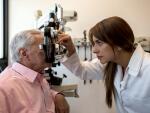
During a consultation, your doctor will use various techniques to assess the symptom: Ear sounds. These will include a physical examination and possibly diagnostic tests. (Note: A physical exam is always done, diagnostic tests may or may not be performed depending on the suspected condition) Your doctor will ask several questions when assessing your condition. It is important to openly share any pertinent information to help your doctor make an accurate diagnosis.
It is also very important to bring an up-to-date list of all of your all medical conditions, medications including dosages, and names of numbers of any specialist you see.
Create your printable checklist by answering questions that your doctor may ask below:
Privacy Statement
No private information is transferred over the internet. Do not use the "Browser back button", as this may cause data loss.
Why: to determine if acute or chronic.
Why: e.g. hearing inappropriate sounds such as ringing, buzzing, humming, roaring or similar noises in the ears is quite common and is called tinnitus.
Why: if you and other people can hear the noise, this is unusual but may suggest a glomus tumor (a globular tumor arising from the vessels in the middle ear) which cause a pulsatile tinnitus), arteriovenous malformations (abnormal communication between arteries and veins, carotid stenosis (narrowing of the carotid artery due to atherosclerosis), aneurysms (circumscribed dilatation of an artery), significant anemia, a patent eustachian tube or myoclonus alternate contraction and relaxation of a muscle).
Why: unilateral tinnitus is more likely to be associated with a more serious disorder such as Meniere's disease, acoustic neuroma (benign tumor of the 8th cranial nerve), cholesteatoma or vascular disease.
Why: e.g. sore throat, runny nose, sinusitis - may suggest acute otitis media.
Why: may suggest whiplash, concussion or trauma to the middle or inner ear.
Why: may aggravate tinnitus.
Why: e.g. neurofibromatosis type 2 may have tumors of the 8th cranial nerve; chronic renal failure may predispose to otosclerosis; hypertension may cause tinnitus.
Why: some drugs may cause tinnitus e.g. aminoglycoside , tetracycline and clindamycin antibiotics; tricyclic antidepressants; aspirin; quinine.
Why: caffeine may aggravate tinnitus.
Why: may aggravate tinnitus.
Why: e.g. marijuana may cause tinnitus.
Why: may suggest Meniere's disease, acoustic neuroma, cholesteatoma, multiple sclerosis, basilar artery insufficiency and brain stem tumors.
Why: may suggest presbyacusis, noise-induced hearing loss, otosclerosis, Meniere's disease, acoustic neuroma, fracture of the petrous temporal bone, ototoxicity from drugs.
Why: e.g. nausea, vomiting, tinnitus, vertigo, sensorineural deafness.
Why: e.g. infection often follows upper respiratory tract infection, ear pain, fever, sensation of pressure in the ear, hearing loss, drum may perforate with subsequent relief of pain and fever.
Why: e.g. often occurs in ears that are itchy due to eczema, dermatitis or psoriasis or in those that swim; pain, discharge, pressure on the ear lobe causes pain.
The following list of conditions have 'Ear sounds' or similar listed as a symptom in our database. This computer-generated list may be inaccurate or incomplete. Always seek prompt professional medical advice about the cause of any symptom.
Select from the following alphabetical view of conditions which include a symptom of Ear sounds or choose View All.
The following list of medical conditions have 'Ear sounds'
or similar listed as a medical complication in our database.
Tools & Services:
Medical Articles:
» Next page: Types of Ear sounds
Medical Tools & Articles:
Forums & Message Boards
Search Specialists by State and City
By using this site you agree to our Terms of Use. Information provided on this site is for informational purposes only; it is not intended as a substitute for advice from your own medical team. The information on this site is not to be used for diagnosing or treating any health concerns you may have - please contact your physician or health care professional for all your medical needs. Please see our Terms of Use.
Copyright © 2011 Health Grades Inc. All rights reserved. Last Update: 7 May, 2013 (3:48)