Assessment
Questionnaire
See what questions
a doctor would ask.
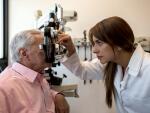
During a consultation, your doctor will use various techniques to assess the symptom: Pus. These will include a physical examination and possibly diagnostic tests. (Note: A physical exam is always done, diagnostic tests may or may not be performed depending on the suspected condition) Your doctor will ask several questions when assessing your condition. It is important to openly share any pertinent information to help your doctor make an accurate diagnosis.
It is also very important to bring an up-to-date list of all of your all medical conditions, medications including dosages, and names of numbers of any specialist you see.
Create your printable checklist by answering questions that your doctor may ask below:
Privacy Statement
No private information is transferred over the internet. Do not use the "Browser back button", as this may cause data loss.
Why: e.g. what area of the body and how deep under the skin. If pus is on the skin, this suggests acne, folliculitis or boils. If pus is under the skin, this suggests an abscess. Acne vulgaris pimples are common on the face, but the neck, upper chest, upper back and shoulders may also be affected; hidradenitis suppurativa occurs in axilla, on breasts, around the anus and in the groin.
Why: e.g. acne vulgaris is virtually universal in adolescence with prevalence peaking between the ages of 14-16 years in females and 16-19 years in males; infantile acne occurs in the first few months of life, mainly on the face and affects mainly boys; hidradenitis suppurativa may occur from puberty to around age 50; abscesses, furuncles and carbuncles tend to occur more frequently in children, adolescents and young adults.
Why: e.g. splinter, glass - An abscess may form as a response to a foreign body.
Why: e.g. tropical climate with high temperatures and high relative humidity; shaving hairy regions such as the beard area, axillae or legs; extraction of hair such as plucking or waxing; occlusion of hair bearing areas (such as adhesive plaster and plastic film) facilitates the growth of bacteria.
Why: e.g. conditions that increase the risk of pus-like infections include diabetes mellitus, obesity, hyper Ig E syndrome and chronic granulomatous disease; obesity increases the risk of hidradenitis suppurativa; diabetes mellitus and immunosuppression increase the risk of infectious folliculitis; polycystic ovarian syndrome is associated with acne.
Why: e.g. medications which may aggravate acne include corticosteroids, some oral contraceptive medications, chloralhydrate, iodides, bromides, lithium, phenytoin and quinine; topical corticosteroids may predispose to infectious folliculitis.
Why: e.g. circumscribed collection of pus appearing as an acute or chronic localized infection and associated with destruction of local tissue. Abscesses may arise in any organ or structure.
Why: e.g. acute deep seated, red, hot, tender abscess that arises from infected hair follicles. Carbuncles are deeper than furuncles.
Why: e.g. red inflamed pus-filled lesions or nodules, usually confined to the face and trunk. Very common in adolescents. Healing by scarring may occur.
Why: e.g. pus-filled lesions around hair follicles surrounded by a red halo of inflamed skin. May occur on any hair-bearing skin such as the beard area, scalp, neck, legs and trunk.
Why: e.g. persistent acne in the hirsute (excessively hairy) female, irregular periods, usually overweight.
Why: e.g. red inflamed nodules or abscesses which are very tender in axilla, on breasts, around the anus or in the groin.
The following list of conditions have 'Pus' or similar listed as a symptom in our database. This computer-generated list may be inaccurate or incomplete. Always seek prompt professional medical advice about the cause of any symptom.
Select from the following alphabetical view of conditions which include a symptom of Pus or choose View All.
The following list of medical conditions have 'Pus'
or similar listed as a medical complication in our database.
Tools & Services:
Medical Articles:
» Next page: Types of Pus
Medical Tools & Articles:
Forums & Message Boards
Search Specialists by State and City
By using this site you agree to our Terms of Use. Information provided on this site is for informational purposes only; it is not intended as a substitute for advice from your own medical team. The information on this site is not to be used for diagnosing or treating any health concerns you may have - please contact your physician or health care professional for all your medical needs. Please see our Terms of Use.
Copyright © 2011 Health Grades Inc. All rights reserved. Last Update: 1 February, 2012 (4:18)